
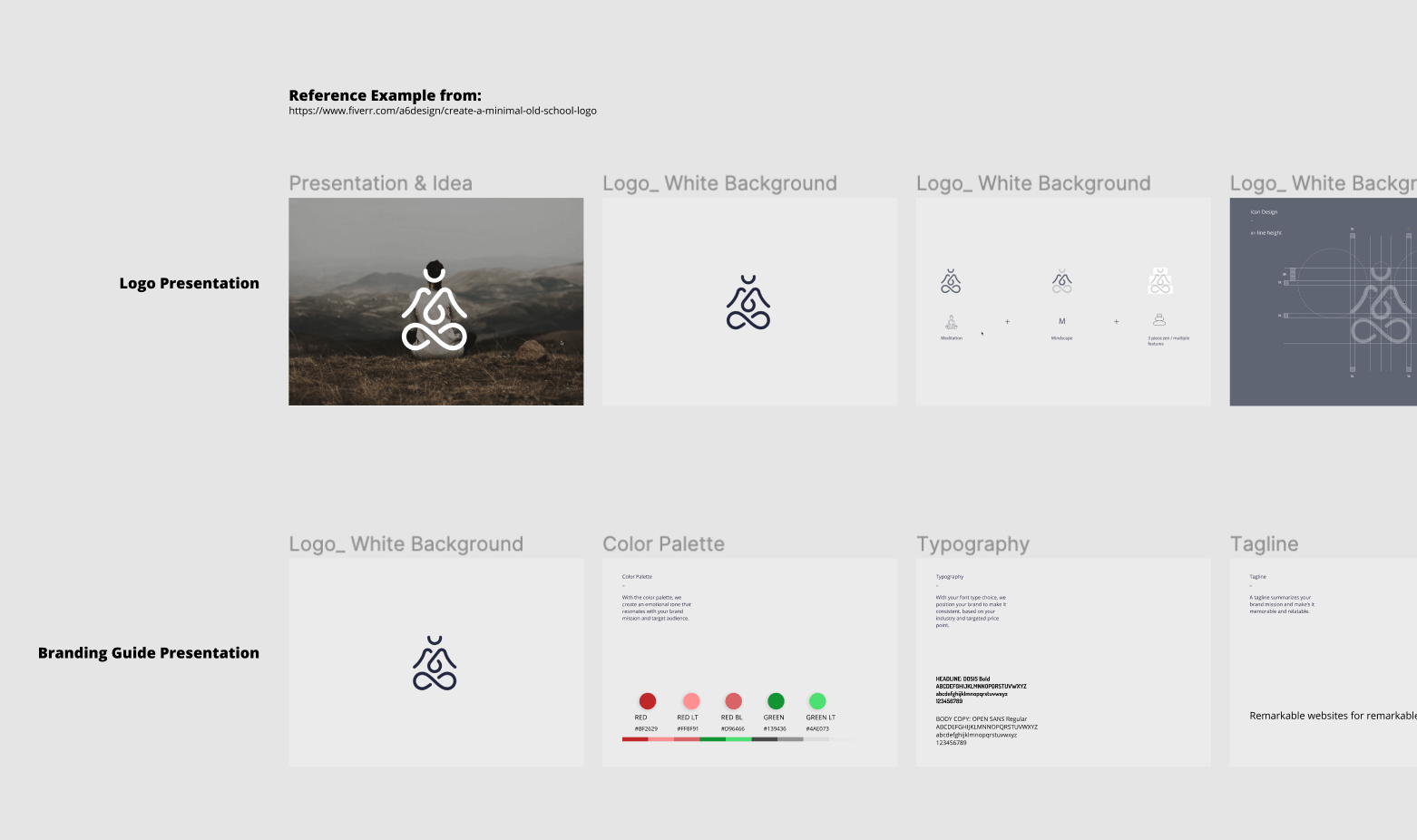
Branding is the sum of how your business looks, sounds, and behaves everywhere a customer meets it. A logo is maybe five percent of that. The rest is your voice, your visual system, your positioning, and whether all of it stays consistent long enough for people to recognize you.
That consistency isn't cosmetic. In brand consistency surveys run by Lucidpress and Demand Metric, marketers estimated that presenting a brand consistently is worth a double-digit lift in revenue. Self-reported, yes, but the direction matches what we see when auditing B2B sites: inconsistent brands get forgotten between touchpoints.
What does branding design actually cover?
Branding design is your company's visual language: the parts a customer sees before reading a single word. It breaks down into a few jobs.
- A coherent visual system. Colors, typography, imagery, and graphic style that work as a set. Not "our blue" in six slightly different blues.
- Consistency across touchpoints. Your website, your proposals, your LinkedIn posts, and your invoices should feel like they came from the same company. Each repeat exposure compounds recognition; each mismatch resets it.
- Emotional signal. Visual choices carry meaning before logic kicks in. A loud palette says something different from a restrained one, and both are fine as long as the choice is deliberate. We unpack this in the psychology of color in web design.
- Differentiation. If you swapped your logo onto a competitor's homepage and nobody noticed, your visual identity isn't doing its job.
- Flexibility within rules. A good system bends for a campaign or a new channel without breaking. That's what brand guidelines are for: they define what can flex and what never does.
Do you need a branding agency?
Honest answer: not always. If you're pre-revenue, a clean DIY identity beats spending your runway on brand strategy. An agency earns its fee when the stakes rise. Here's what you're actually paying for.
- The outside view. You're too close to your own brand to see it the way a stranger does. An agency's most valuable deliverable is often the uncomfortable first impression you can no longer have yourself.
- Pattern knowledge. Agencies have watched the same positioning mistakes play out across dozens of companies. You're buying their scar tissue.
- A complete system, not a logo file. Proper engagements deliver the full kit: logo variants, color and type rules, voice guidelines, and templates your team can use without a designer on call.
- Strategic positioning. The design is downstream of a sharper question: why should a customer pick you? Good agencies force you to answer it in one sentence before they open a design tool.
Red flag when shopping: an agency that starts with moodboards instead of questions about your customers is selling decoration, not branding.
What goes into a branding strategy?
Strategy is the blueprint every design decision answers to. Skip it and you get a brand that looks assembled from spare parts. The core components:
- Foundation. Mission, values, and your unique selling proposition in plain words. If your team can't recite why you're different, your customers certainly can't.
- Audience definition. Who exactly you serve, what they struggle with, and what they're comparing you against. A brand that speaks to everyone resonates with no one.
- Competitive positioning. Map how competitors present themselves, then deliberately occupy the gap. If everyone in your niche is corporate blue and serious, friendly and plainspoken might be the moat.
- Message consistency. The same core story in every ad, post, and pitch deck, adapted in tone but never in substance.
- Visual identity rules. The design system that encodes all the above, documented so it survives employee turnover and freelancers.
- Room to evolve. Markets shift. A good strategy defines the non-negotiable core so you know exactly what you're allowed to change later.
Where should you start?
Start with words, not visuals. Write one sentence for who you serve, one for what you do differently, one for how you want to be described behind your back. Every design decision gets tested against those three sentences.
Then audit what exists: screenshot your website, social profiles, proposal template, and email signature side by side. The inconsistencies will be obvious and the fix list writes itself. For keeping the system tight after that, see brand consistency as a trust builder.
FAQ
What is the difference between a brand and a logo?
The logo is a mark; the brand is the reputation the mark points to. You can redesign a logo in a week. The brand is built by every interaction a customer has with you over years.
How much does branding cost?
Anywhere from a few hundred dollars for a DIY kit to six figures for a full agency program. The honest range for a small B2B company working with a studio is typically in the low thousands to low tens of thousands, depending on scope. Pay for strategy and a usable system, not just artwork.
How often should you rebrand?
Rarely, and only with a reason: a pivot, a merger, an audience you've outgrown, or an identity that actively misrepresents you. Refreshing the system every few years is normal. Torching recognition you've already paid for is not.