
If you boil Alex Hormozi's sales teaching down to one sentence, it's this: respond faster than everyone else, follow a question-based script instead of a pitch, and treat objections as requests for clarity. This post summarizes the frameworks he teaches publicly, through Acquisition.com, his books $100M Offers and $100M Leads, and his podcast, so you can apply them without watching forty hours of video.
A quick disclaimer: these are his frameworks, not ours. Where we add anything, it's context from building the websites and funnels these sales processes sit on top of.
Why does speed to lead decide the sale?
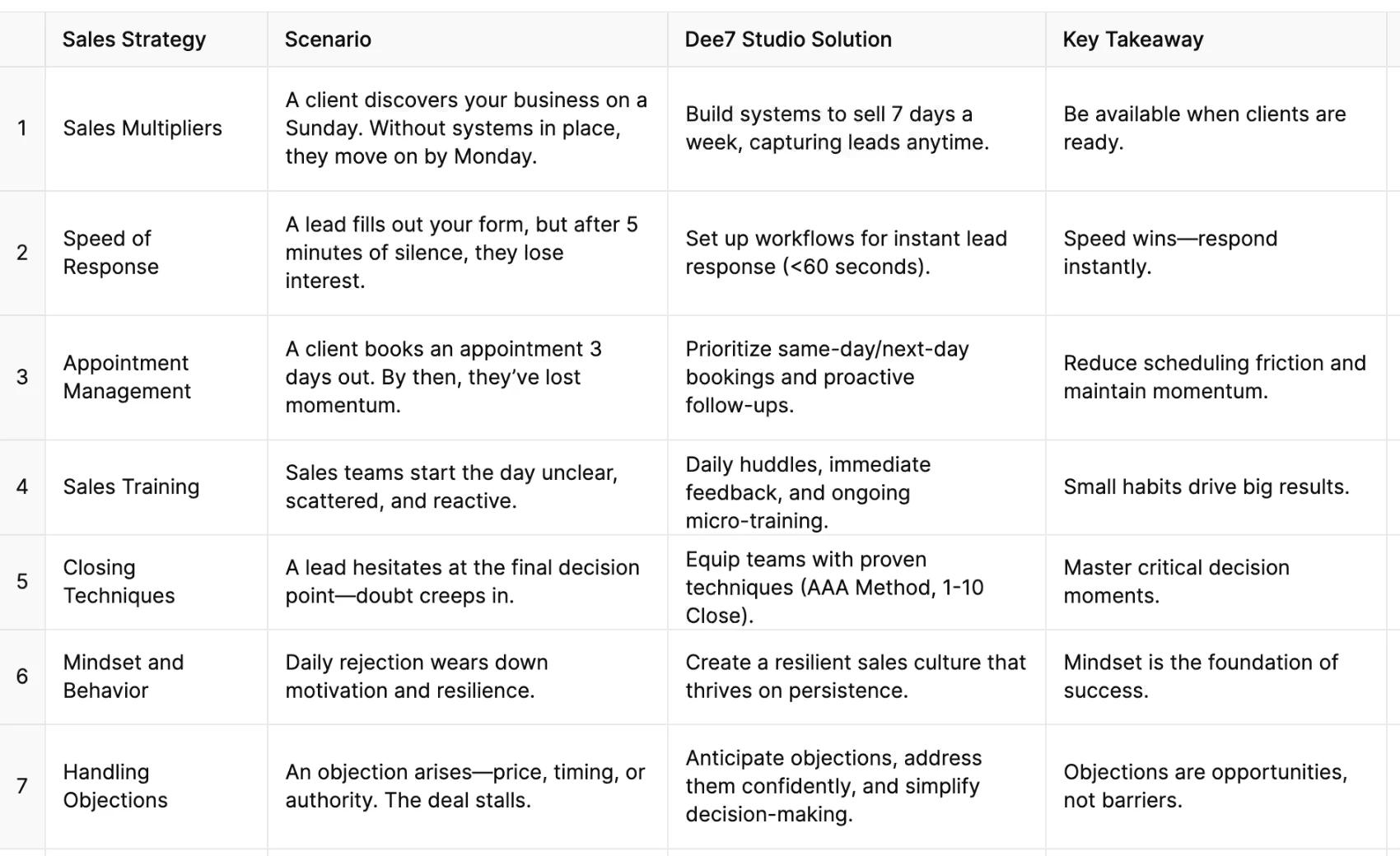
Hormozi hammers one point harder than any other: the moment a lead comes in, a countdown starts. The research behind this predates him. The Lead Response Management study by researcher James Oldroyd with InsideSales.com found that calling a lead within five minutes, versus thirty, made reps roughly 100 times more likely to reach the person and about 21 times more likely to qualify them. Oldroyd's follow-up in Harvard Business Review showed most companies are nowhere near that fast.
The practical version of the rule: aim to respond in about a minute. Not because minute two is doomed, but because the lead is still on your website, still in the mood that made them inquire, and hasn't yet opened a competitor's tab.
- Put a phone number or instant-call option where high-intent visitors can act on impulse.
- Route lead notifications to a human who can actually call, not a shared inbox.
- If you can't staff instant response, automate the first touch and book the callback immediately.

What are Hormozi's sales multipliers?
Beyond speed, Hormozi points at structural changes that multiply output without anyone selling "harder."
- Sell seven days a week. Two extra selling days is about 29 percent more selling time. That's arithmetic, not a study. Buyers research on weekends; most businesses only answer on weekdays, so availability alone is an edge.
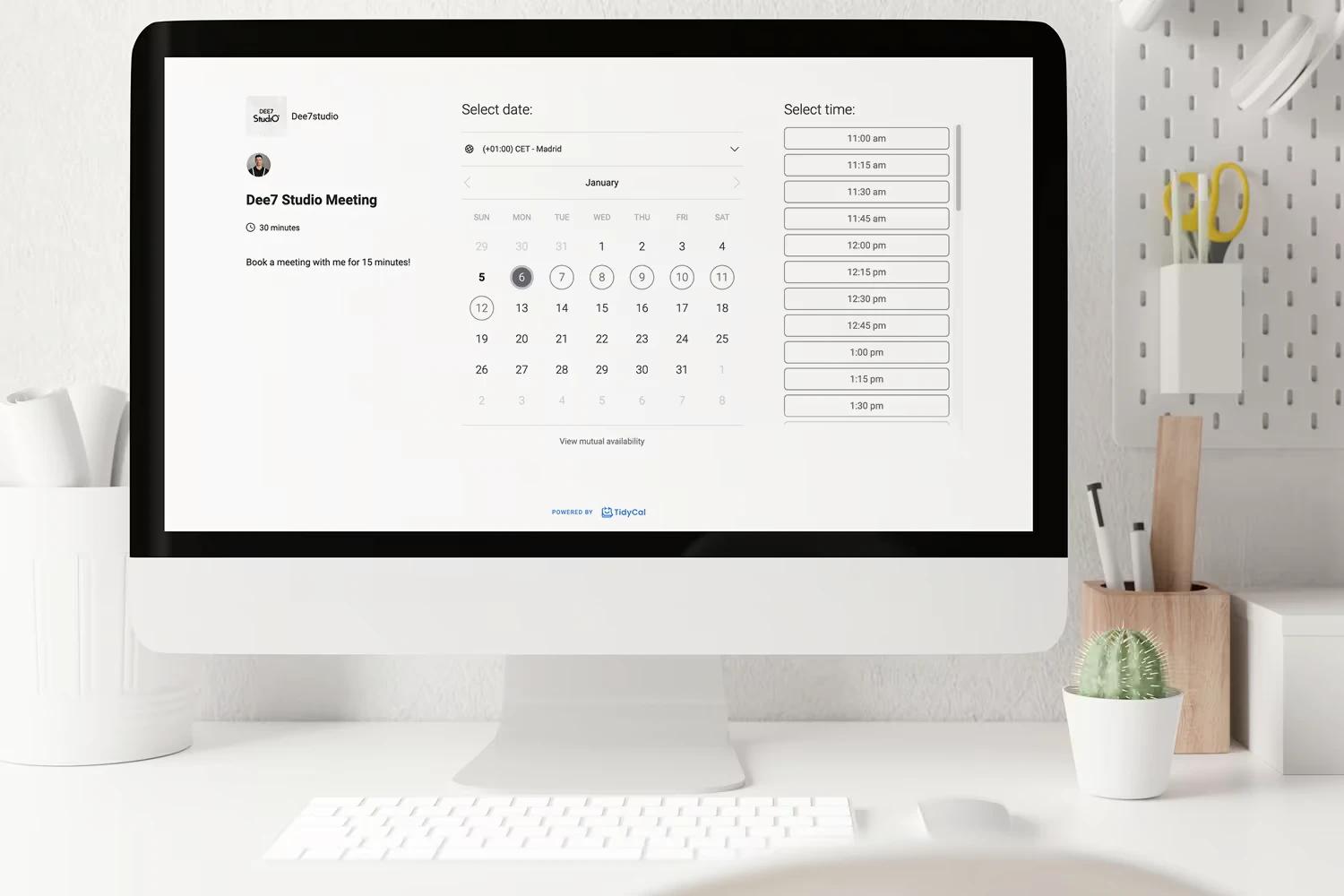
- Book appointments close to the "yes." Same-day or next-day slots show up; appointments three days out give excitement time to die. Shrink the gap between agreement and meeting.
- Fill dead hours with outbound. When reps aren't on calls, they work the pipeline: confirmations, follow-ups, reactivating old leads. Empty calendar slots are a task list, not a break.
- Give the best leads to the best closers. Treating all leads and all reps as interchangeable quietly burns your most expensive opportunities.
How does the CLOSER framework work?
CLOSER is Hormozi's question-based sales script. The logic: people convince themselves when your questions walk them through their own problem.
- Clarify why they're here. What made them reach out, today?
- Label the problem. Restate what you heard and get agreement that it's the real issue.
- Overview their past attempts. What have they tried, and why didn't it stick?
- Sell the vacation. Describe the destination, not the plane. Buyers want the outcome, not your process diagram.
- Explain away concerns. Surface the hesitations and answer them one by one.
- Reinforce the decision. After the yes, confirm they made a smart call. Buyer's remorse starts in the first minutes, so don't skip this.
Notice what's missing: pressure. The script is mostly listening with direction.
How do you handle objections with the Triple A method?
For objections, Hormozi teaches a three-step reflex he calls the Triple A framework: Acknowledge, Associate, Ask.
- Acknowledge. Repeat the concern back in their words. People can't hear your answer until they feel heard.
- Associate. Connect the objection to your best customers: "Most of the people who get the best results said exactly that before starting."
- Ask. Follow with a question that moves the conversation forward instead of leaving silence for doubt.
The underlying stance: an objection isn't a no. It's the prospect telling you precisely what they still need clarified. Price objections in particular are usually value questions wearing a disguise, which is why your proof (testimonials, concrete results) matters more than your discount.
How do you train a sales team that stays sharp?
Hormozi's team-building advice is unglamorous on purpose: skills decay, so training is daily, not quarterly.
- A short huddle every morning: yesterday's numbers, today's focus, one skill to practice.
- Role-play the hard moments (price, "I need to think about it") until the responses are automatic.
- Feedback immediately after calls, while the call is still fresh, not in a monthly review.
- Track and celebrate show-up rates and activity, not just closes, because inputs are what reps control.

What's the mindset underneath all of it?
Two beliefs carry the whole system. First, volume: more calls, more follow-ups, more reps of the script. Skill comes from repetitions, and so does resilience, because each individual "no" stops mattering. Second, care: the salesperson's job is to help the prospect make a good decision, not to win a battle. Oddly enough, that's also what closes deals.
If your sales process starts on your website, make sure the site holds up its end: a clear offer and instant response path do half the selling before anyone picks up the phone. Our post on your website as a 24/7 salesperson covers that side.
FAQ
Where do these frameworks come from?
From Alex Hormozi's public material: his books $100M Offers and $100M Leads, his podcast The Game, and his free sales training content via Acquisition.com. This post is a summary, not a substitute.
Do Hormozi's methods work for B2B services?
Yes. CLOSER and Triple A are channel-agnostic; they assume a conversation with a qualified prospect, which describes most B2B service sales. The speed-to-lead rule arguably matters even more in B2B, where deals are large and competitors few.
What's the single highest-leverage change?
Response time. It needs no new skills, no script, no hiring: just restructure who sees a new lead and how fast they can act on it.